Where to start reading Kapuściński?
A guide to Ryszard Kapuściński's work: books about Africa, power, war, travel, and the reporter's craft.
Three essentials
Not sure where to begin? These three books are the best gateway into Kapuściński's world.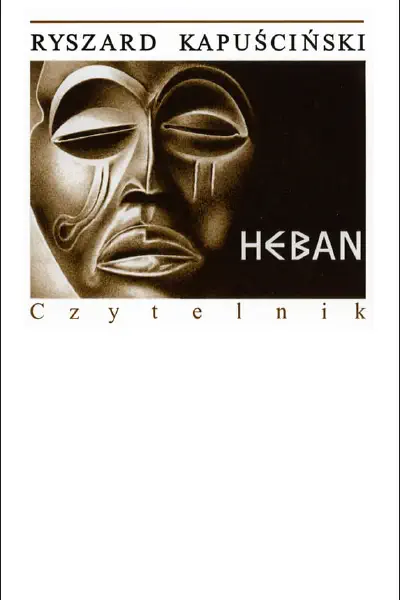 The Shadow of the Sun
A masterpiece of literary reportage. Africa as you will not see it in any documentary or textbook.
The Shadow of the Sun
A masterpiece of literary reportage. Africa as you will not see it in any documentary or textbook.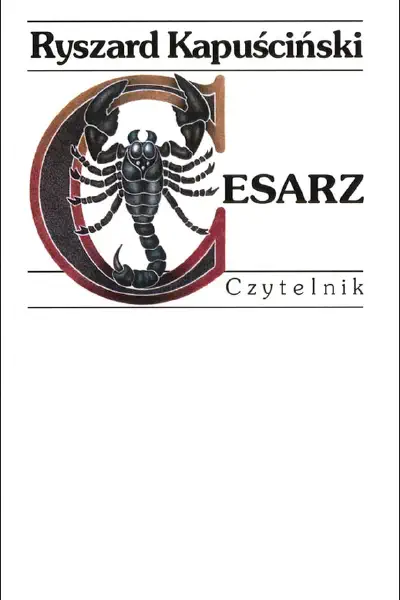 The Emperor
One hundred and fifty pages about the mechanisms of power. A short book that stays with you for years.
The Emperor
One hundred and fifty pages about the mechanisms of power. A short book that stays with you for years.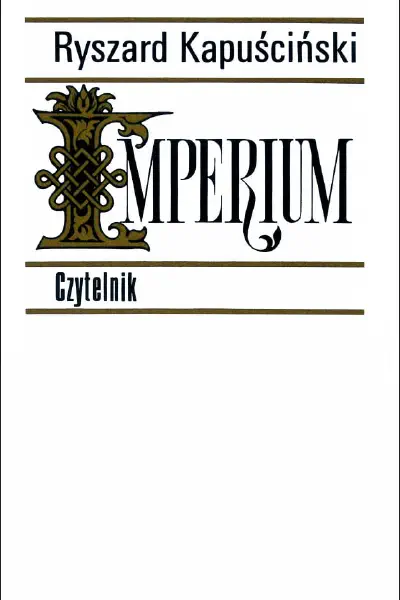 Imperium
The collapse of the Soviet Union seen through the eyes of ordinary people. Great history told through human lives.
Imperium
The collapse of the Soviet Union seen through the eyes of ordinary people. Great history told through human lives.
Choose a path
Africa
Kapuscinski spent several years in Africa, observing independence movements, wars, and everyday life across the continent.
-
The Shadow of the Sun
Forty years of observing the continent, from civil wars to ordinary daily life in Africa.
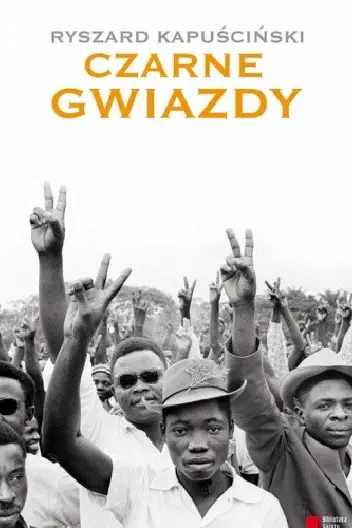 Black Stars
Ghana at the moment of independence. Kapuscinski's first African reportages.
Black Stars
Ghana at the moment of independence. Kapuscinski's first African reportages.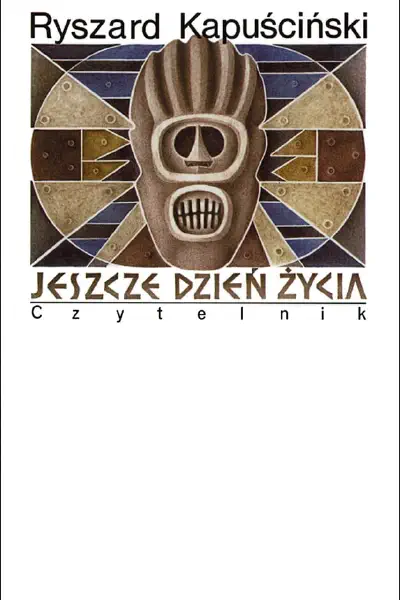 Another Day of Life
Angola, 1975. Kapuscinski remains almost alone in a country torn apart by civil war.
Another Day of Life
Angola, 1975. Kapuscinski remains almost alone in a country torn apart by civil war.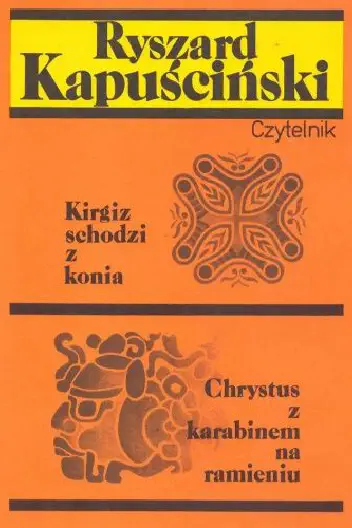 Christ with a Rifle on His Shoulder
Liberation movements in sub-Saharan Africa, revolution observed from within.
Christ with a Rifle on His Shoulder
Liberation movements in sub-Saharan Africa, revolution observed from within.
Power and its collapse
Kapuscinski witnessed the fall of dictators and empires. Few writers described the mechanics of power so precisely.
-
The Emperor
The court of Haile Selassie I as a universal metaphor for despotism.
 Shah of Shahs
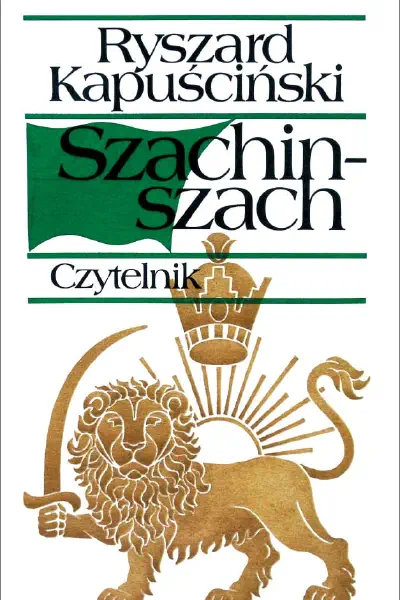
The Iranian Revolution and the way millions of people overthrow a monarch believed to rule by grace.
Shah of Shahs
The Iranian Revolution and the way millions of people overthrow a monarch believed to rule by grace.-
Imperium
The agony of the Soviet empire observed up close, from Moscow to Siberia.
 Why Did Karl von Spreti Die?
The kidnapping of a Western European diplomat in Guatemala, terror used as a political instrument.
Why Did Karl von Spreti Die?
The kidnapping of a Western European diplomat in Guatemala, terror used as a political instrument.
Latin America
Revolutions, dictatorships, and guerrilla warfare: Kapuscinski reported on Latin America in its hottest decades.
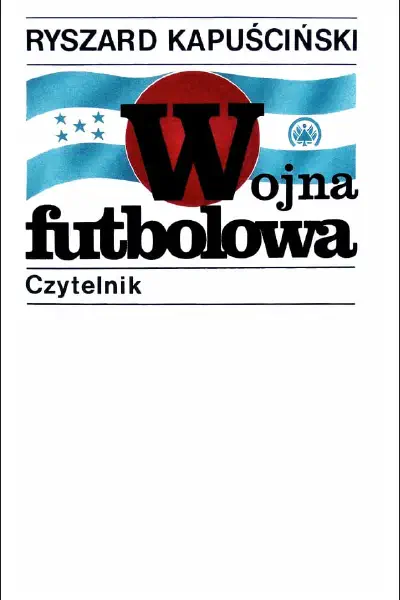 The Soccer War
Not only about a war sparked by a football match, but about Central America as a whole.
The Soccer War
Not only about a war sparked by a football match, but about Central America as a whole.-
Christ with a Rifle on His Shoulder
Guerrillas, revolutionaries, liberators: Kapuscinski was among them.
- Che Guevara — The Bolivian Diary Che Guevara — The Bolivian Diary The final months of Che Guevara's life, framed by Kapuscinski's commentary.
Reportage as a way of thinking
For readers who want to understand not only what Kapuscinski wrote, but how and why he wrote it.
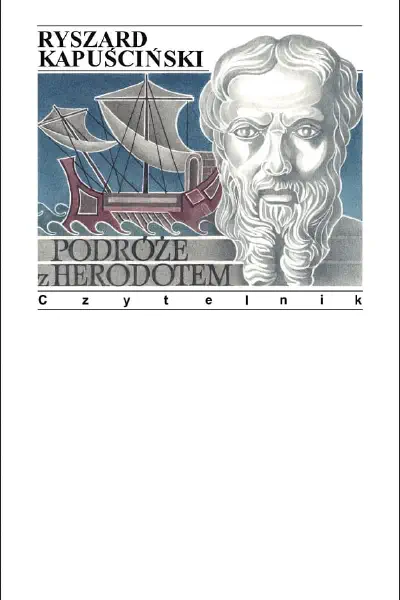 Travels with Herodotus
Herodotus as a companion in travel: reportage viewed through the father of history.
Travels with Herodotus
Herodotus as a companion in travel: reportage viewed through the father of history. Lapidarium
Aphorisms and observations gathered over the years, condensed wisdom from a reporter.
Lapidarium
Aphorisms and observations gathered over the years, condensed wisdom from a reporter. A Portrait of the Reporter
Kapuscinski on craft, ethics, and the essence of reportage in conversations and essays.
A Portrait of the Reporter
Kapuscinski on craft, ethics, and the essence of reportage in conversations and essays.
Guide
Ryszard Kapuściński’s books do not form a series, so they need not be read in publication order. A useful way to choose is by subject: Africa, power, war, the collapse of an empire, or the reporter’s craft. The paths below offer several ways into his work. If you are looking for the complete list, see all of Ryszard Kapuściński’s books.
Africa
The Shadow of the Sun grew out of experiences gathered during many stays on the continent. Its mosaic structure combines scenes from different countries and periods, portraits of individuals, and reflections on decolonisation, community, and everyday life.
Black Stars and If All Africa… offer an earlier perspective. Both are more closely tied to the political changes of the 1960s. Another Day of Life narrows its focus to Angola in 1975 and to the experience of a correspondent working during a civil war.
Power and revolution
The Emperor portrays Haile Selassie’s court through stylised statements by former officials and servants. Ritual, dependency, and the ruler’s isolation from reality occupy the centre of the book.
Shah of Shahs concerns the Iranian Revolution. Photographs, notes, and recordings form an account of a regime’s collapse and an attempt to understand the moment when fear ceases to sustain power.
Empire and memory
Imperium combines memories of the Red Army’s seizure of Pinsk with later journeys through the Soviet Union. It can be read as reportage about a state viewed from its peripheries, but also as a book about memory and the long duration of violence.
Travel and the reporter’s craft
Travels with Herodotus sets Kapuściński’s first foreign assignments alongside his reading of The Histories. Language, preparation, encounters with another culture, and the limits of understanding matter more here than the route itself.
A Portrait of the Reporter collects the author’s statements about gathering material, writing, and journalistic responsibility. It provides useful context for reading his reportage.
Publication order
Reading chronologically makes it possible to follow changes in Kapuściński’s craft: from early domestic reportage and foreign correspondence, through books about power, to later essayistic and autobiographical forms. The full bibliography is available in the Books section.
Further contexts
- How did Ryszard Kapuściński write? Style, method, craft
- Facts and literature in Kapuściński’s reportage
- Is Kapuściński’s reportage still relevant?
- Kapuściński’s books about Africa
- Kapuściński’s books about revolutions and dictators
Other studies, comparisons, and educational materials are collected under Thematic essays about Kapuściński.
Frequently asked questions
Which Kapuściński book can I start with?
The choice depends on your interests. The Shadow of the Sun focuses on the reporter's African experiences, The Emperor on the mechanisms of power, Imperium on the Soviet Union, and Travels with Herodotus on travel and the work of a correspondent.
Do Kapuściński's books need to be read in chronological order?
No. Each book stands on its own. Reading them in publication order helps trace the development of the author's craft, but it is not necessary in order to understand them.
Which books are about Africa?
The Shadow of the Sun offers the broadest view. Black Stars and If All Africa... cover the earlier period of decolonisation, while Another Day of Life concerns the civil war in Angola.
Which book concerns the reporter's profession?
Travels with Herodotus combines memories of Kapuściński's first foreign assignments with reflections on encountering other cultures. A Portrait of the Reporter collects his statements about journalistic practice and responsibility.