Study guide
Christ with a Rifle on His Shoulder – Summary and Analysis (themes, quotes)
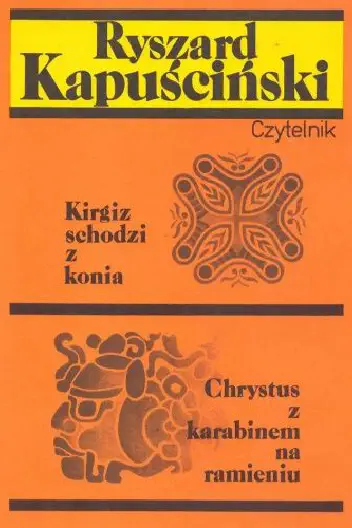
Kapuściński's Christ with a Rifle on His Shoulder – summary, the key issues of guerrilla warfare and liberation theology, themes, quotes and essay theses.
“Christ with a Rifle on His Shoulder” (Chrystus z karabinem na ramieniu, 1975) is a collection of Ryszard Kapuściński’s reportage about guerrillas and liberation movements of the 20th century. Below you will find a study guide: the key issues, themes, contexts, and essay theses.
In a nutshell
The book gathers reportage about people who took up arms in the name of revolution and independence — in the Middle East, Latin America and Africa. The title alludes to the involvement of clergy in armed struggle and the birth of liberation theology. It is a deepened reflection on the morality of revolution and the price of the dream of justice.
Composition and content
The volume consists of reportages written in various corners of the world, linked by the common theme of the liberation struggle. Kapuściński observes guerrillas and revolutionaries up close — in camps, at the front, in conversation. The title image of “Christ with a rifle” refers especially to the Latin American priests who took the side of the poor.
Origins and historical background
The reportages were written during the era of the Cold War and decolonisation, when armed movements against colonialism, dictatorships and inequalities erupted in many parts of the world. In Latin America, liberation theology was then developing — a current joining Christianity with the struggle for social justice. The book appeared in Poland in 1975.
Key issues and interpretation
- The morality of revolution. What justifies violence, and what price is paid for rebellion?
- Faith and the rifle. The tension between the evangelical commandment of love and participation in armed struggle.
- Oppression breeds resistance. Kapuściński shows the poverty and injustice from which the guerrilla grows.
- The distortion of ideals. Noble slogans, colliding with war, are often deformed.
Characters
- Guerrillas and revolutionaries – people from various continents, united by readiness to fight.
- Committed priests – clergy who took the side of the poor; the embodiment of the title’s paradox.
- Civilians – ordinary people caught up in the conflict, bearing its main costs.
Themes
- Revolution – its energy, hopes and traps.
- Liberation theology – religion in the service of social justice.
- Oppression and resistance – the mechanism by which rebellion is born.
- War and violence – their moral ambiguity.
- Freedom – the goal in whose name arms are taken up.
Language and the form of reportage
Kapuściński combines an account from the front line with moral reflection. He passes no easy judgements — he shows the reasons and dramas of both sides, the oppression that breeds resistance, and the ideals that war can distort. It is committed reportage, yet free of black-and-white simplifications.
Key thoughts and quotes
The volume’s guiding thought is the question of the limits of revolutionary violence and of what drives people — including people of faith — to take up arms in the name of justice.
See quotes by Ryszard Kapuściński →
Essay theses
- Oppression and injustice breed resistance and readiness for armed struggle.
- Revolution carries moral tension: a noble end versus violence as the means.
- The clergy’s involvement in the struggle lays bare the drama of conscience between faith and the rifle.
- The reporter-witness passes no easy judgements, but reveals the complexity of the conflict.
Frequently asked questions (FAQ)
What is “Christ with a Rifle on His Shoulder” about? Reportage about guerrillas and liberation movements on three continents, and about the involvement of clergy in armed struggle.
Where does the title come from? From the Latin American priests who took the side of the poor — a symbol of the tension between faith and violence.
What are the most important themes? The morality of revolution, liberation theology, oppression and resistance, freedom.