Study guide
A Portrait of the Reporter – Summary and Analysis (ethics, craft, quotes)
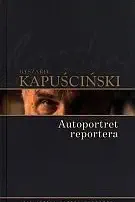
Kapuściński's A Portrait of the Reporter – summary, key issues, the ethics of journalism, the reporter's craft, themes, quotes and theses. A study guide.
“A Portrait of the Reporter” (Autoportret reportera, 2003) is a collection of interviews, lectures and statements by Ryszard Kapuściński about the profession of the reporter, its ethics and its craft. Below you will find a summary, the key issues, themes, and quotes and theses.
Summary in a nutshell
“A Portrait of the Reporter” is not reportage, but a reflection on reportage. The book gathers interviews, lectures and statements by Kapuściński in which he defines the essence of the reporter’s profession and its moral dimension. The central idea: good journalism cannot be separated from being a good person; the reporter is a witness and an intermediary, responsible for the truth and for the people he writes about.
Content and arrangement
The book organises the author’s statements around several threads:
- What reportage is and how it differs from ordinary information.
- The reporter’s craft — travel, observation, conversation, reading, work on the word.
- The ethics of the profession — responsibility, respect for the subject, service to the truth.
- The reporter and the world — the role of an intermediary between cultures.
From these fragments emerges the title portrait — an image of the reporter seen through his own eyes.
Origins and form
The book appeared in 2003. Its form is heterogeneous by design: a montage of interviews and lectures from various years, arranged thematically. As a result it reads as a coherent lecture on the profession, even though it was assembled from scattered statements.
The ethics of journalism
The book’s most important thread. Kapuściński treats journalism as a mission with a moral and social dimension. The reporter must:
- serve the truth, not sensation,
- respect his subjects and the people he writes about,
- bear responsibility for the word.
Hence the famous thesis that cynics are unsuited to this profession — because a bad person cannot be a good journalist.
Key issues and interpretation
- Reportage as art and mission, not merely an informational craft.
- Ethics and responsibility of the reporter toward the truth and the subject.
- The craft — the role of travel, reading, conversation and work on language.
- The reporter as an intermediary between cultures and people.
- Testimony — journalism as the recording and defence of the truth.
Themes
- Truth – the foundation of the profession.
- Responsibility – for the word and the subject.
- The good person – the precondition of the good reporter.
- Craft – observation, conversation, reading.
- The encounter with the Other – the reporter as an intermediary between cultures.
Key quotes
“To be a journalist, you must first of all be a good person. Bad people cannot be good journalists.”
“This is not a job for cynics.”
More quotes on journalism and truth →
Essay theses
- Good journalism cannot be separated from ethics and from being a good person.
- Reportage is art and mission, not merely the conveying of information.
- The reporter bears responsibility for the word and for the people he writes about.
- The reporter is an intermediary between cultures and a witness to the truth.
Frequently asked questions (FAQ)
What is “A Portrait of the Reporter” about? It is a collection of Kapuściński’s interviews and lectures (2003) about the reporter’s profession, its ethics and its craft.
What is the central message? Good journalism cannot be separated from being a good person; the reporter serves the truth.
What does it say about ethics? Journalism is a moral mission; the reporter is responsible for the word and the subject, “cynics are unsuited”.
What form does it take? A collection of interviews, lectures and statements arranged thematically — a coherent lecture on the profession.